
 Carlos Solis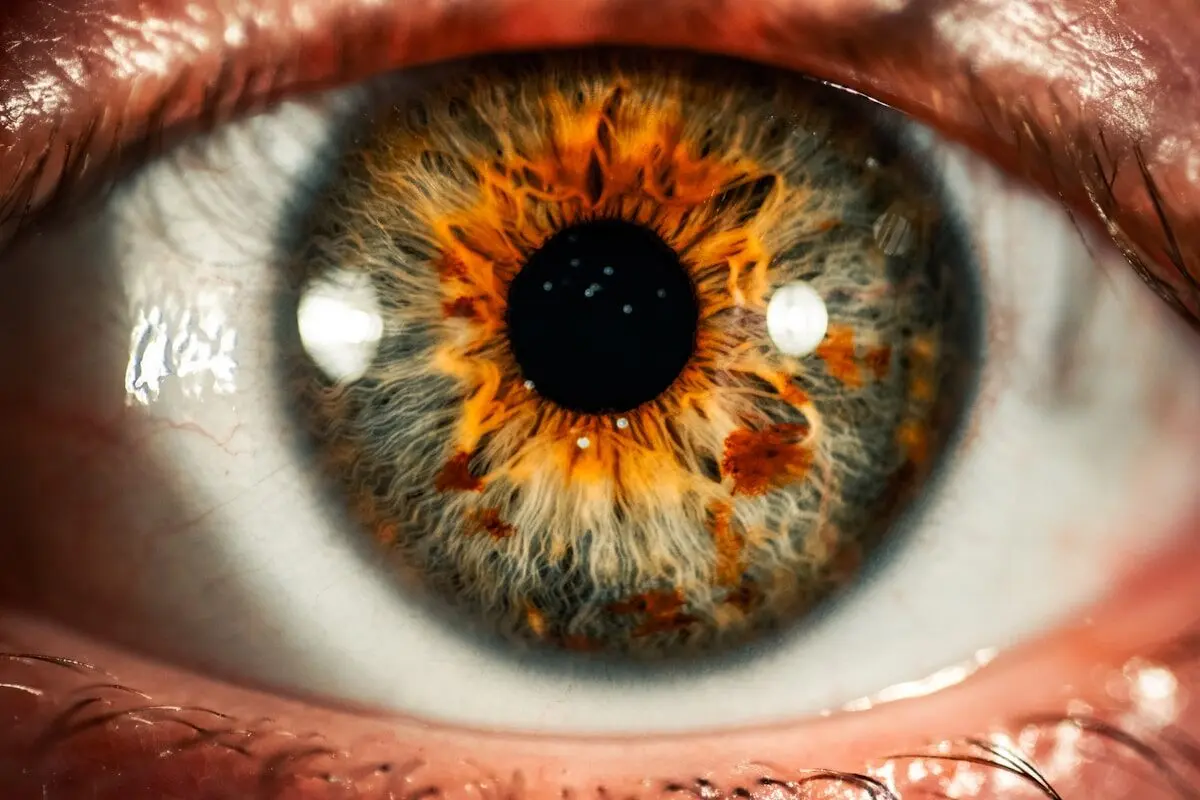
Research from Singapore and the U.K. found that the older the retina looks in photographs, the higher the likely risk of developing osteoporosis later on.
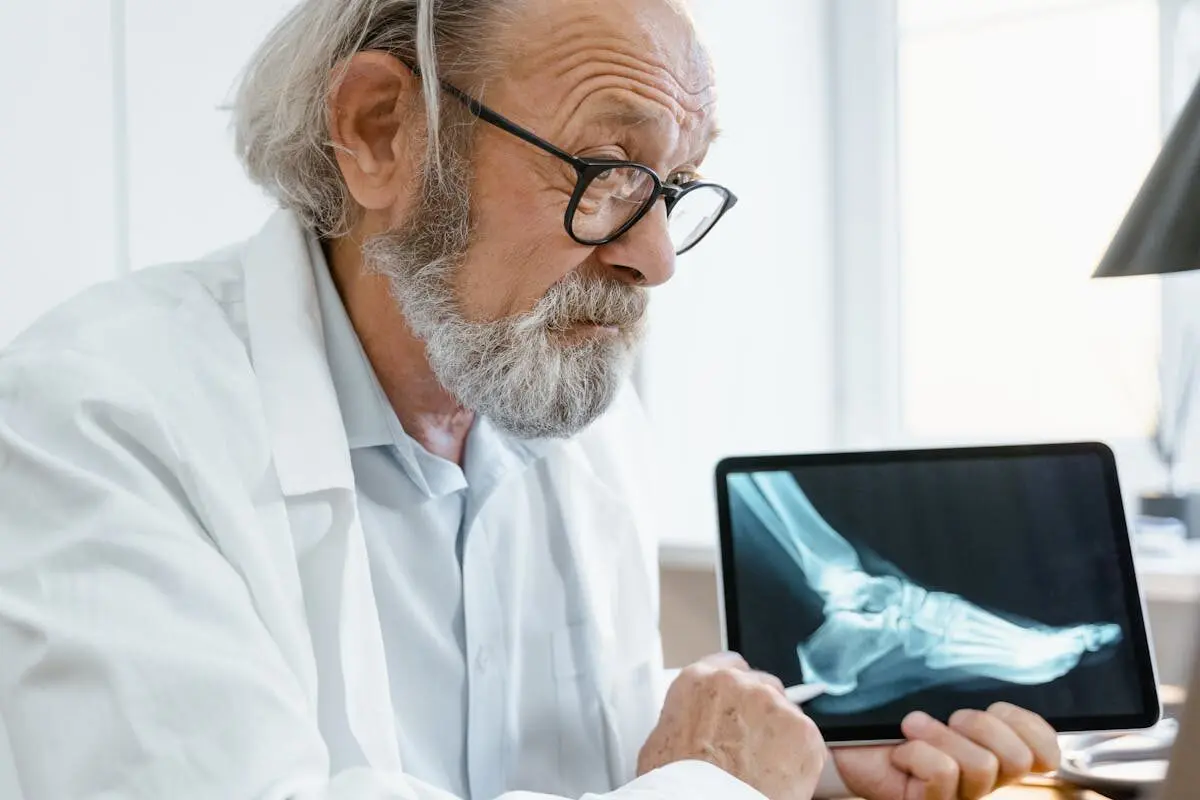
Osteoporosis is a gradual loss of bone mineral density that affects about 20% of the global population. The disease most often occurs after menopause in women and in older age, and it raises the risk of fractures that can be life-threatening. No cure exists for the condition, and diagnosis by densitometry often comes late: doctors frequently perform the scan only after a fracture has already occurred.
How the retina’s apparent age links to bone density
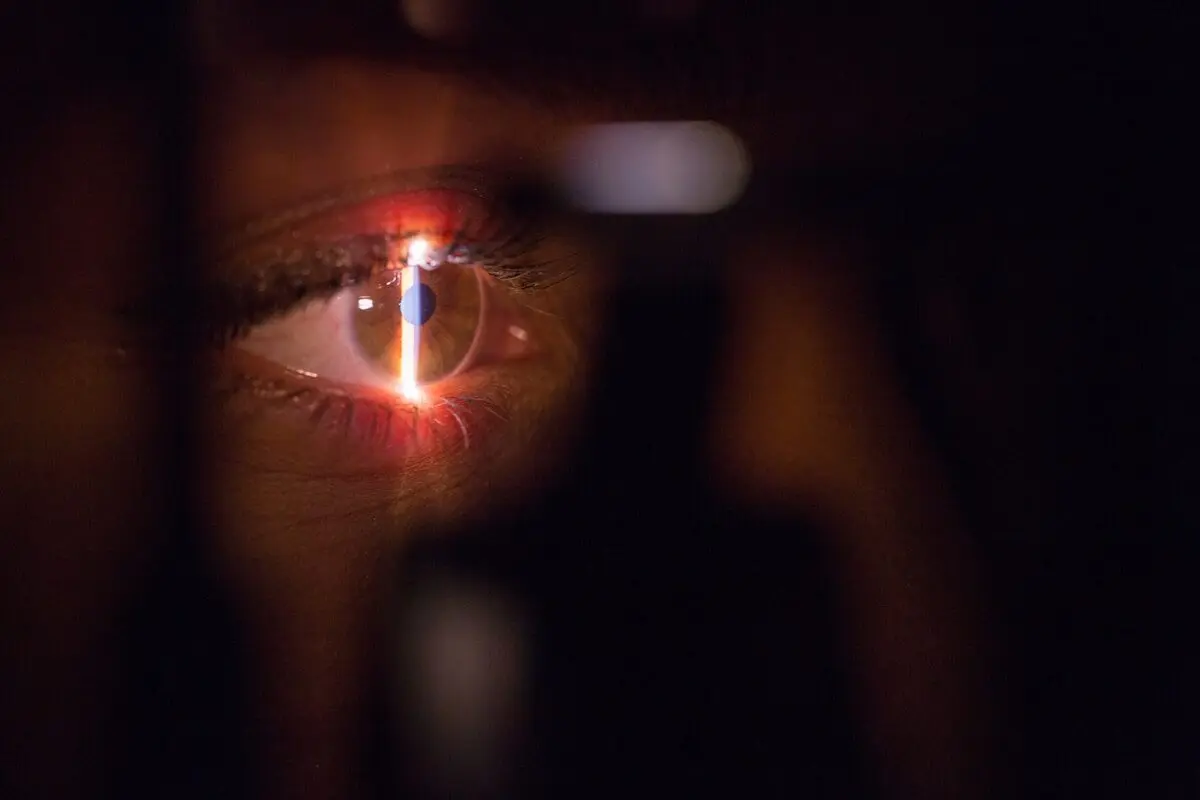
The retina (the eye’s inner layer) makes it possible to observe nerves, blood vessels, and signs of inflammation and metabolic problems without invasive procedures. Researchers at the Singapore Eye Research Institute analyzed nearly 2,000 adults in Singapore and found an important association: the older the retina appeared according to certain markers, the lower the person’s bone mineral density.
The team also tested the finding using data from the UK Biobank, with almost 44,000 participants, and again observed the same pattern: an older-looking retina was associated with a higher risk of developing osteoporosis over time, even after adjusting for major risk factors such as age, sex, body mass index, physical activity, smoking, and cardiovascular health.
How the researchers tested retinal aging and bone risk
Ophthalmologist Qingsheng Peng and colleagues trained a deep-learning model called RetiAGE to estimate the retina’s “biological aging.” They trained the model on almost 130,000 retinal images from more than 40,000 participants in a large South Korean screening program. The researchers then applied RetiAGE to the Singapore and U.K. datasets to estimate the probability of an osteoporosis diagnosis or fracture within the next 10 years. The association persisted after accounting for age, sex, BMI, physical activity, smoking, and cardiovascular status. In the male subgroup, the link was stronger: one standard deviation increase in the RetiAGE score corresponded to roughly a 25% higher risk of osteoporosis.
 Why the eyes might reflect bone health
Several factors could explain why retinal condition might mirror bone condition:
- Shared lifestyle factors — physical activity, diet, and sun exposure — can affect both the eyes and the bones, for better or worse.
- Possible shared genetic mechanisms: some genes that regulate immune cells in the eye also contribute to the development of bone tissue.
- Inflammation and vascular problems can damage both bones and eyes, which is why eye exams sometimes detect high blood pressure and other systemic conditions.
Retina-based diagnosis
Researchers are actively studying the idea that retinal signs can predict other diseases (for example, cognitive decline). The results are associative: they show a link but do not prove causation. RetiAGE does not capture every possible marker of ocular aging and has limitations.
Earlier, in 2018, a separate South Korean study found a link between osteoporosis and age-related macular degeneration, but that observation applied only to women.
The authors of the PLOS Digital Health paper suggest: “RetiAGE measures, which are easy to obtain from standard retinal photographs, could become a noninvasive, inexpensive, and repeatable screening method to identify patients in the preclinical stage of osteoporosis.” In practice, this could mean that routine eye exams would also flag patients who should receive bone-health testing.
The study adds another reason to pay attention in middle and older age: retinal images may not only document vision status but also offer clues about overall biological aging — including bone health. The current findings should be viewed as an encouraging scientific discovery, not as a ready-to-use tool for mass screening.
Based on reporting from ScienceAlert
Photo: Unsplash
