
 Gaby
Gaby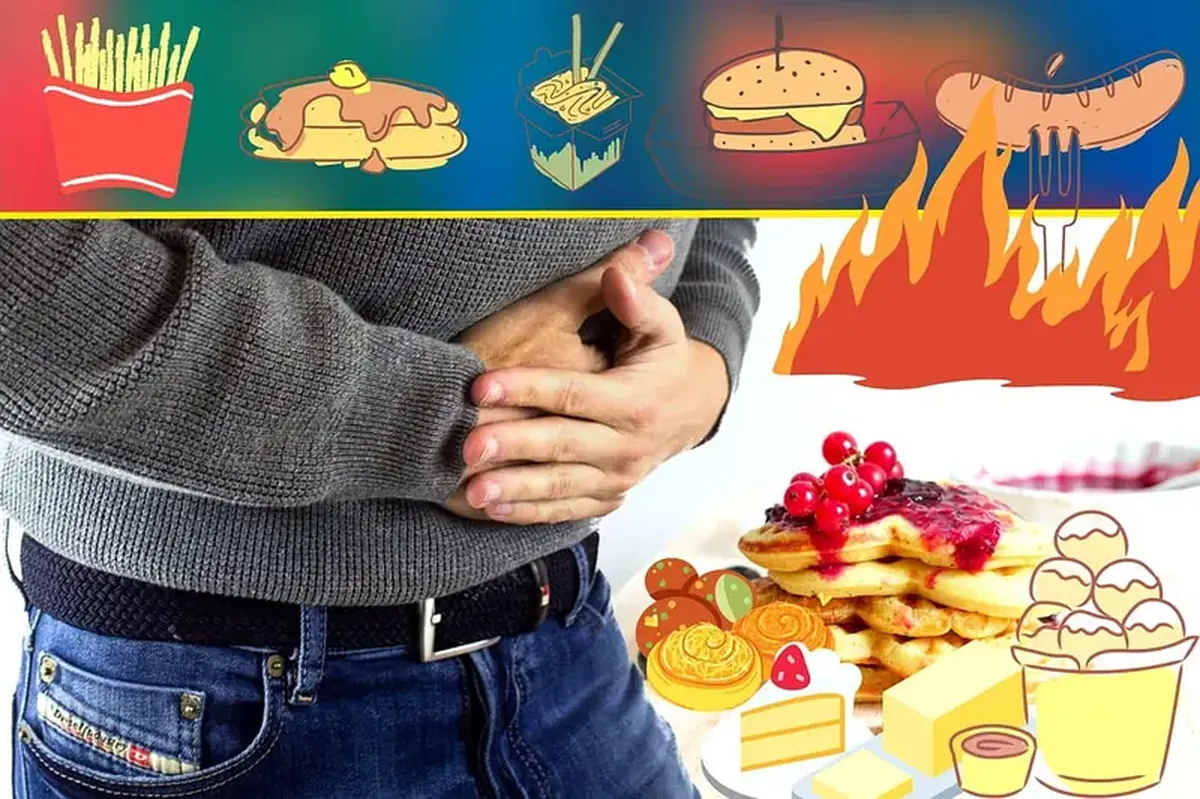
Autumn can bring a spike in activity—and with it, higher stress levels that lower the hormones that help digestion. Combined with seasonal changes in diet, that can make chronic digestive problems worse. What warning signs should you not ignore before stomach discomfort turns into something more serious?
The Root of the Problem
Poor eating habits, excessive consumption of unhealthy foods, and stress that diverts blood flow away from the stomach are precursors to gastritis and peptic ulcers. Gastroenterologists describe seasonal declines in digestive health as disruptions in the blood supply to the stomach and intestines. When the stress hormone adrenaline floods the bloodstream, it causes blood vessels to constrict and spasm and impairs the functioning of gastrointestinal muscles.
Poorly nourished mucous membranes are further harmed by increased gastric juice secretion: excessive acid irritates the lining.
In autumn, people often develop deficiencies in essential vitamins—particularly vitamin B12—which weakens the mucous membranes’ protective defenses. Together, these factors push the gastrointestinal tract into a state of stress and make painful digestive conditions worse during the seasonal transition.
Disruption of Balance
While stress is a strong trigger for inflammation in the gastrointestinal tract, doctors primarily blame peptic ulcers on the bacterium Helicobacter pylori. This microorganism undermines the protective mechanisms of the duodenum and stomach, damaging their mucous membranes. Ulcers form when gastric mucus can’t protect the lining from hydrochloric acid and pepsin—the enzyme responsible for protein digestion.
After Australian researchers identified H. pylori (its role in gastritis and ulcers was recognized in the late 20th century), peptic ulcer disease began to be treated as an infectious condition worldwide. This pathogen is linked to about 80% of gastritis cases, 85% of duodenal ulcers, and 95% of stomach ulcers.
Seasonal flare-ups of chronic mucous membrane inflammation can be triggered by contributing factors such as alcohol dependence, smoking, depression, imbalances in gut microbiota (low levels of lactobacilli and bifidobacteria), the use of nonsteroidal anti-inflammatory drugs, and eating very hot or very cold foods. To reduce the risk of gastritis, focus on a healthy lifestyle, a balanced diet, and stress management.
How to Avoid Gastritis
Remember these provoking factors so you can remove them from your life.
– unbalanced diet, with an emphasis on acidic, alkaline, or spicy foods;
– food poisoning;
– allergic reactions to food;
– irritation of the mucous membranes from strong alcoholic beverages, drugs, or medications;
– viral and bacterial infections, chronic infections in the gastrointestinal tract and oral cavity, and tonsillitis.
To prevent a gastritis flare-up, cut out foods that trigger active secretion of gastric juice. Eliminate spicy, smoked, salty, fried, and sour foods, and avoid strong spices, sauces, and seasonings. Ban coffee and strong tea along with alcohol. Eat small, frequent meals—about every three hours. Avoid fasting with gastritis, because an empty stomach is more exposed to erosion by gastric juice. Undernourishment is particularly dangerous for people with ulcers.
Main Symptoms of Gastritis
Gastritis is inflammation of the stomach lining that interferes with digestion and nutrient absorption. In autoimmune gastritis, the immune system mistakenly produces substances that damage the stomach lining.
Autumn warning signs from the gastrointestinal tract include:
- feeling of fullness in the stomach
- poor appetite
- quick satiety with small amounts of food
- sour taste when belching
- foul breath
- heartburn
- bloating and tightness in the upper abdomen
- weakness and nausea
- irregular bowel movements
- cramps in the epigastric area and right upper quadrant
- abdominal pain of varying intensity
Symptoms of stomach gastritis vary in severity: they tend to be milder in chronic cases and worsen during exacerbations. During remission, chronic gastritis may show up only as heartburn, heaviness in the epigastrium, and unstable stools. During an exacerbation, symptoms become more pronounced: severe epigastric pain, signs of toxicity, fever, and bloody vomiting. Hemorrhagic gastritis can cause acute anemia from gastric bleeding. In dangerous cases there is a risk of damage to the submucosal layer of the stomach wall, perforation, and the development of purulent inflammation (phlegmon). The most serious long-term consequence can be tumor formation, including adenocarcinoma.
What to Do If You Have Gastritis
In early stages, gastritis can often be treated successfully, but complications threaten the digestive system and overall health: progression to peptic ulcer disease can cause severe bleeding and may increase cancer risk. Doctors use a comprehensive examination and test results to determine the cause of symptoms and prescribe appropriate treatment. If the microbiota is disrupted, they will prescribe probiotics and prebiotics; if Helicobacter pylori is detected, they will prescribe antibiotics. If stress is a main cause, the doctor may recommend sedatives and stress-reduction strategies. First and foremost, clinicians will propose a plan to eliminate the underlying cause.
Medication options include a range of drugs: gastroprotective agents that stimulate repair of damaged mucous membranes, antisecretory drugs to reduce gastric gland secretion, and antacids that neutralize hydrochloric acid. Symptomatic treatments to relieve discomfort may include infusion therapy (intravenous fluids and nutrients to correct fluid and acid-base imbalances), antispasmodics, analgesics, and antiemetics.
Prevention and Diet
An exacerbation of chronic gastritis is reason to consult a gastroenterologist, who will prescribe a diet of small, frequent meals (5–6 times a day in small portions). The doctor will stress the importance of moderate food temperatures (30–40°C) and create an individualized meal plan that excludes alcohol, marinades, and other acid-increasing products. Foods that are spicy, sour, sweet, fatty, fried, smoked, very hot, very cold, or hard (you may need to switch to pureed foods) are prohibited with gastritis. Diet is a key element of effective treatment; without it, medication will have far less impact.
Certain foods can raise or lower stomach acidity. With increased acidity, avoid fresh and pickled cucumbers, fresh and fermented cabbage, tomatoes, sorrel, horseradish, onions, mushrooms, corn, legumes, spinach, citrus fruits, grapes, and pomegranates.
Agents that reduce acidity include antacids—medications containing aluminum and magnesium salts—and alginates, which are based on alginic acid. Alkaline mineral water may be prescribed to lower high acidity. Soothing peppermint tea can relieve stomach cramps in gastritis but may be harmful for people with peptic ulcer disease.
To help prevent autumn flare-ups, doctors sometimes prescribe enzymes to support pancreatic function. Pancreatin preparations contain three enzymes: amylase, which breaks down carbohydrates; protease, which breaks proteins into amino acids and peptides; and lipase, which speeds fat digestion. By aiding digestion, these enzyme preparations can reduce bloating and improve overall well‑being.
