
 Gaby
Gaby
Summer heat makes you thirsty — and some of the foods you crave only make it worse. Dehydration can have long-term consequences, so it’s important to watch what you eat. Many everyday foods and drinks can actually increase thirst and contribute to dehydration.
More Water in the Heat – Better Health
Research shows that salty snacks, sugary drinks, and even meat at lunch can draw water out of the body’s cells and promote dehydration. Hydration expert Nick Gird says staying hydrated during the summer is essential for good health. He points out that some foods, even popular summer favorites, can lead to dehydration if you eat them in excess.
Many people don’t drink enough water. A 2023 survey found that 47% of adults consume significantly less than the recommended amount. Those who do drink enough water daily are more likely to report feeling healthier.
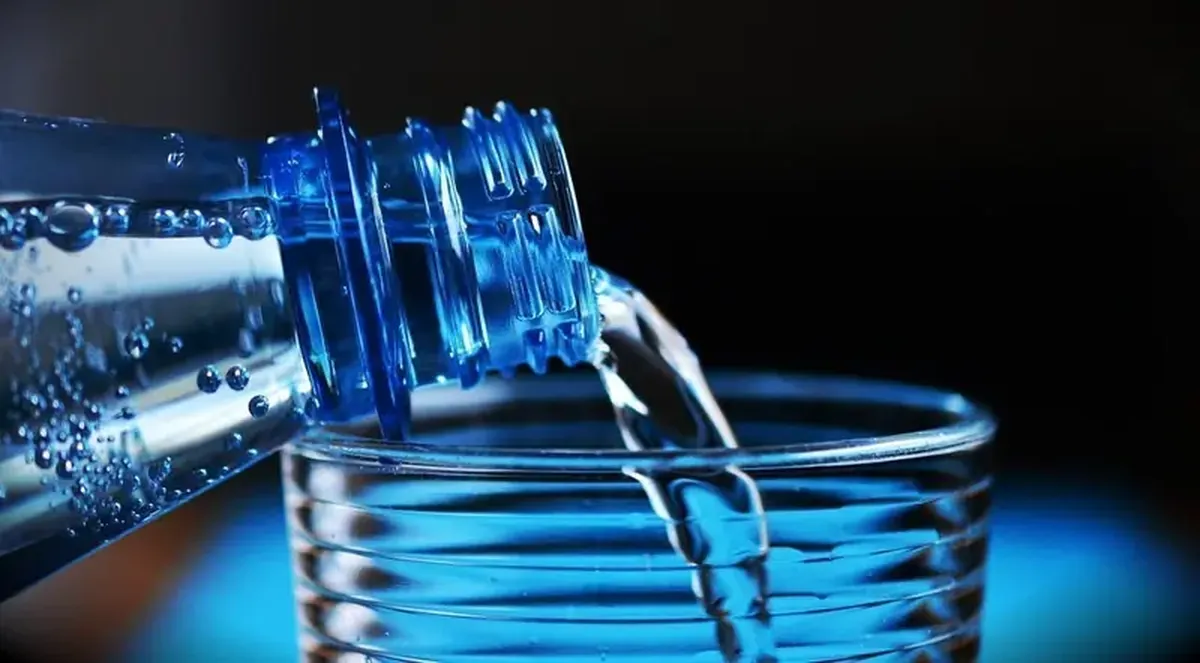 Studies have found that people who avoid dehydration are less likely to develop chronic health problems such as heart and lung disease, and they tend to live longer.
Gird tells the Daily Mail that moderate consumption of foods that draw water from the body shouldn’t cause major dehydration, but it’s important to balance those foods with plenty of water, fruit, and vegetables.
For example, watermelon, strawberries, cantaloupe, tomatoes, and peaches are at least 90% water and also provide vitamins A and C, magnesium, fiber, and antioxidants. Gird advises paying attention to your body’s signals and drinking water regularly, especially in hot weather.
TOP 5 Foods That Cause Dehydration
Processed Meats
Turkey deli slices and processed roast beef can trigger thirst and contribute to dehydration. They often contain high levels of sodium and added sugars, and are packed with preservatives like sodium nitrate.
Sodium nitrate helps keep processed meat looking fresh. While it isn’t harmful in small amounts, some studies link high intake of processed meats to certain cancers. Sodium nitrate also contributes to dehydration in a similar way to salt.
Gird recommends choosing lean, low-sodium cuts at your next barbecue—opt for plain chicken or fresh beef instead of processed meats.
Spicy Foods
Spicy meals can taste great, but they can also make you thirsty. Spicy food increases sweating and salivation, and both responses can trigger thirst.
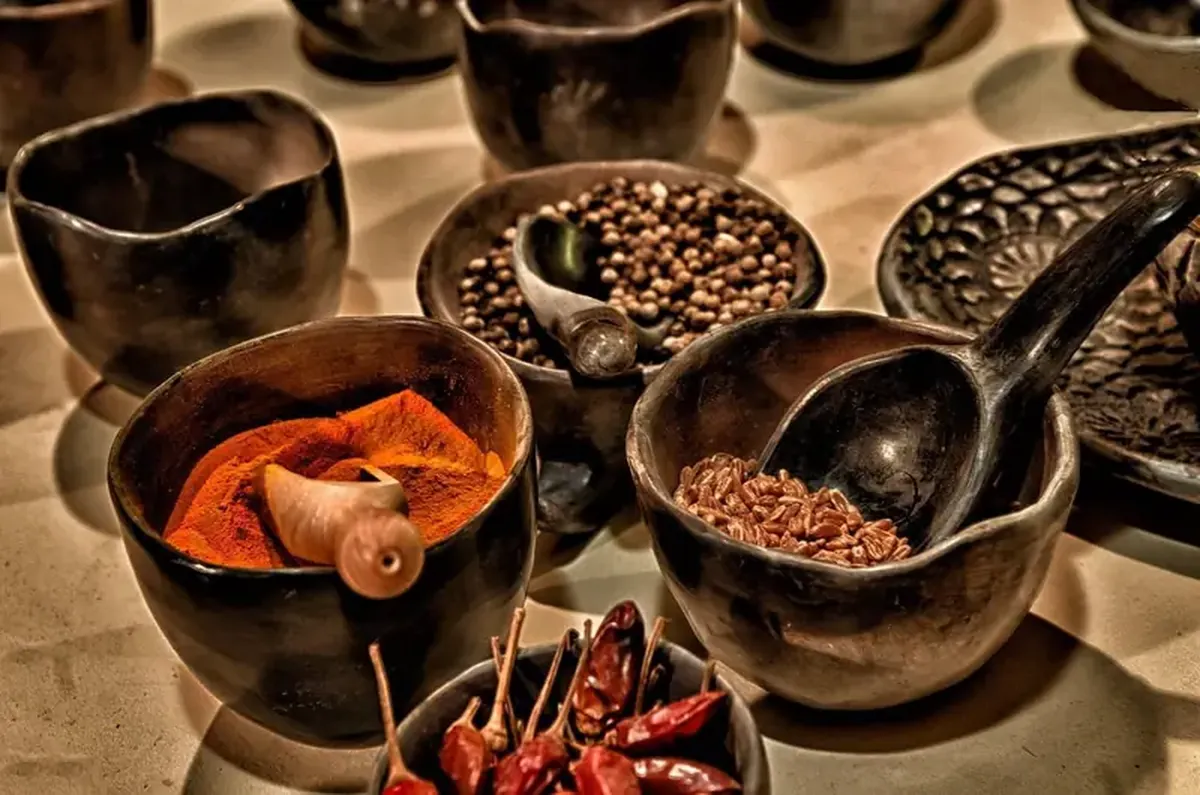 Sweat helps cool the body, but it also causes fluid loss. Spicy foods can make that fluid loss worse, so balance spicy dishes with plenty of water.
Salty Snacks
Chips, salted nuts, and similar snacks are high in sodium. Too much salt is linked to high blood pressure and an increased risk of heart disease.
Eating a lot of salty food also leads to dehydration. Salt intensifies thirst and can cause the body to retain water, which then increases fluid loss through urination.
A 2022 study found that people aged 18–23 who consumed more salt were more likely to be dehydrated. This happens because eating salty foods raises sodium levels in the blood, which pulls water out of cells.
To avoid this, bring carrots and hummus to the beach instead of a bag of chips.
Sugary Drinks
High sugar intake can act like a diuretic and promote water loss. When there’s too much sugar in the blood, the body pulls water from surrounding cells to dilute it.
 That diuretic effect increases urination and leads to dehydration. It can also raise blood sugar levels, which is especially risky for people with diabetes.
Sodas, fruit juices, and energy drinks can therefore contribute to dehydration. Chilled soda can feel refreshing, but it can leave you more dehydrated than hydrated.
Alcohol
Alcohol has a diuretic effect that causes fluid loss. Drinking alcohol causes the kidneys and bladder to remove more water from the blood, and excessive drinking—especially on an empty stomach—can quickly lead to dehydration.
Water leaves the body faster than the body processes alcohol, so if you don’t drink water while drinking alcohol you can become dehydrated and intoxicated more quickly. Gird advises pairing beer, wine, and cocktails with water to help maintain proper hydration.
