
 Gaby
Gaby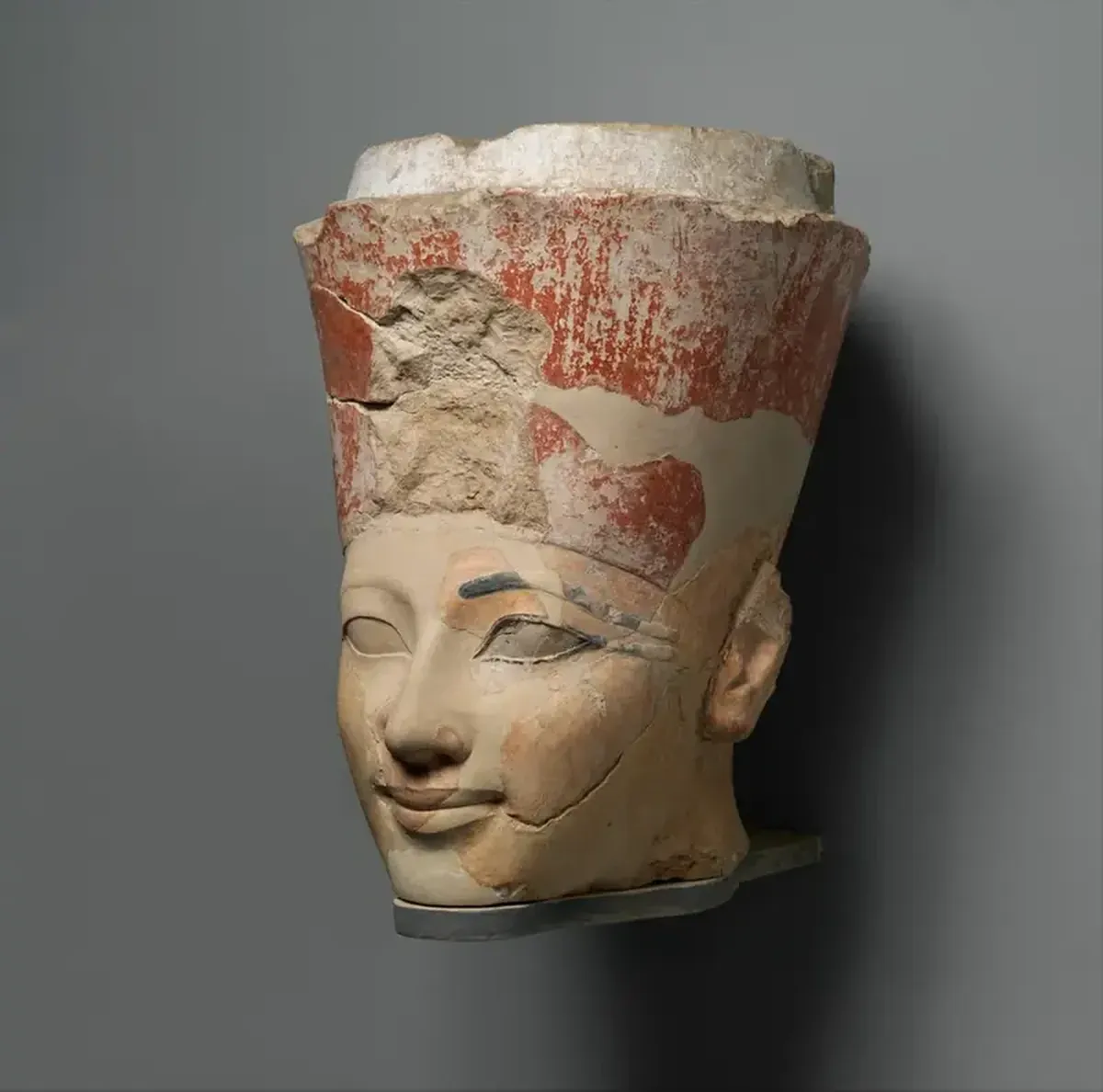
For the past century, Egyptologists have believed that after Hatshepsut died, her nephew and successor smashed her statues to erase her from Egyptian memory.
However, new research from the University of Toronto suggests a different story. While many of Hatshepsut’s statues were deliberately destroyed, the motive wasn’t necessarily to obliterate her existence. Instead, the new study suggests the statues were broken to “deactivate” them — removing their supernatural powers.
What Did the Researchers Find?
Hatshepsut, who ruled Egypt from approximately 1473 to 1458 B.C., is remembered as a female pharaoh who presided over a prosperous period. She is particularly noted for her monumental building projects, including magnificent temples. Hatshepsut was the wife and half-sister of Pharaoh Thutmose II (who reigned from 1492 to 1479 B.C.). She was supposed to act as regent for her stepson Thutmose III, but she declared herself pharaoh while Thutmose III served as her co-regent with limited authority.
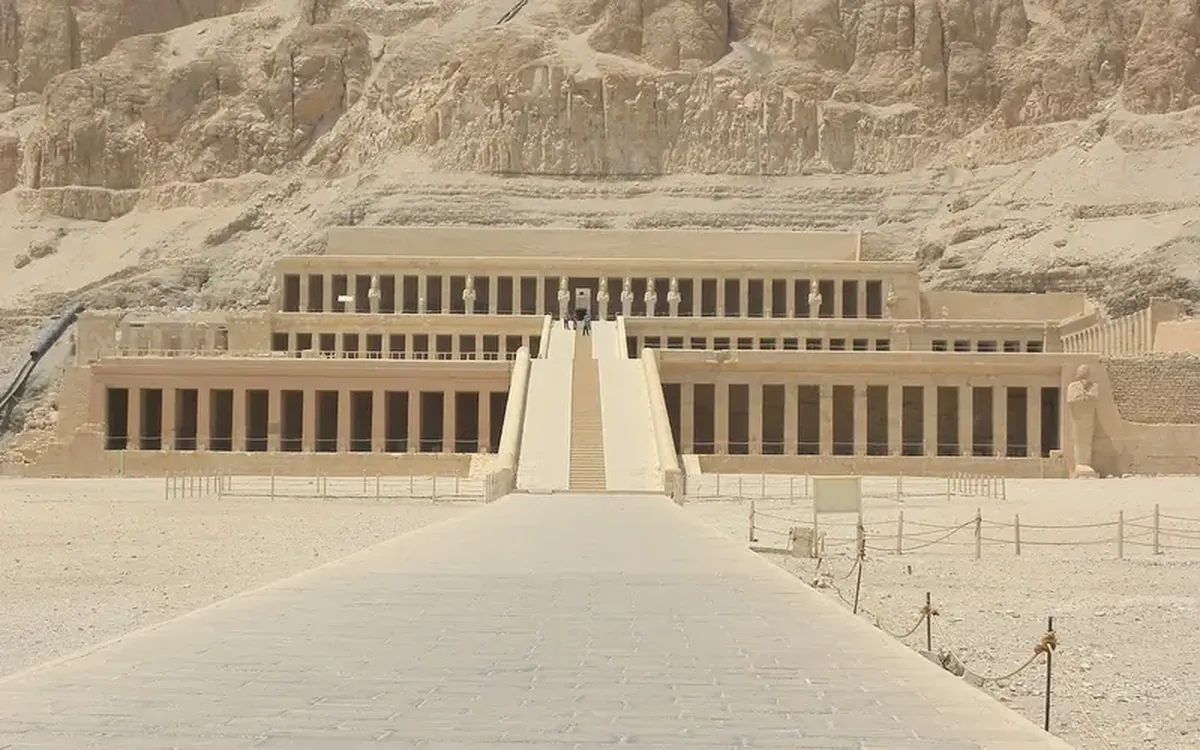
Temple of Hatshepsut
After Hatshepsut’s death, many of her statues were intentionally shattered. In the 1920s and 1930s, archaeologists discovered fragments of her statues buried at the site of her mortuary temple in Deir el-Bahari. For many years, scholars believed Thutmose III had ordered the destruction. But the new study argues the statues were “ritually deactivated.”
June Yi Wong, a doctoral student in Egyptology and the lead author of the study, examined archival records of the statues found in Deir el-Bahari nearly a century ago. Wong found that the faces of these statues were not smashed and that the inscriptions on them remained intact. Instead, the artifacts were broken at the neck, waist, and feet. This pattern was also commonly observed with statues of other Egyptian pharaohs.
Ancient Egyptians regarded statues as “powerful and perhaps even living beings,” Wong explained. Wong told Live Science that when a pharaoh died, it was customary to deactivate that pharaoh’s statues by breaking them at weak points, specifically at the neck, waist, and feet.
One of the most famous discoveries in Egyptian archaeology is the Karnak Cache, where hundreds of statues of pharaohs from various centuries were found together. The vast majority of those statues had been deactivated, Wong noted.
However, this doesn’t mean Hatshepsut escaped political persecution after her death. Wong said “her images and name were systematically destroyed on many monuments throughout Egypt.” That campaign of persecution was likely initiated by Thutmose III.
While the statues of Hatshepsut in Deir el-Bahari were deactivated in the customary manner, statues in other locations suffered more brutal attacks. Previously, Egyptologists assumed that Thutmose III must have harbored a deep hatred for Hatshepsut. But Wong argues the treatment of the statues may reflect ritual and practical considerations rather than personal animosity.
Wong also suggests Thutmose III may have been driven by political motives — for example, by the realization that Hatshepsut’s reign had harmed his legacy as pharaoh.
The findings of the study were published in the journal Antiquity.
