
 Gaby
Gaby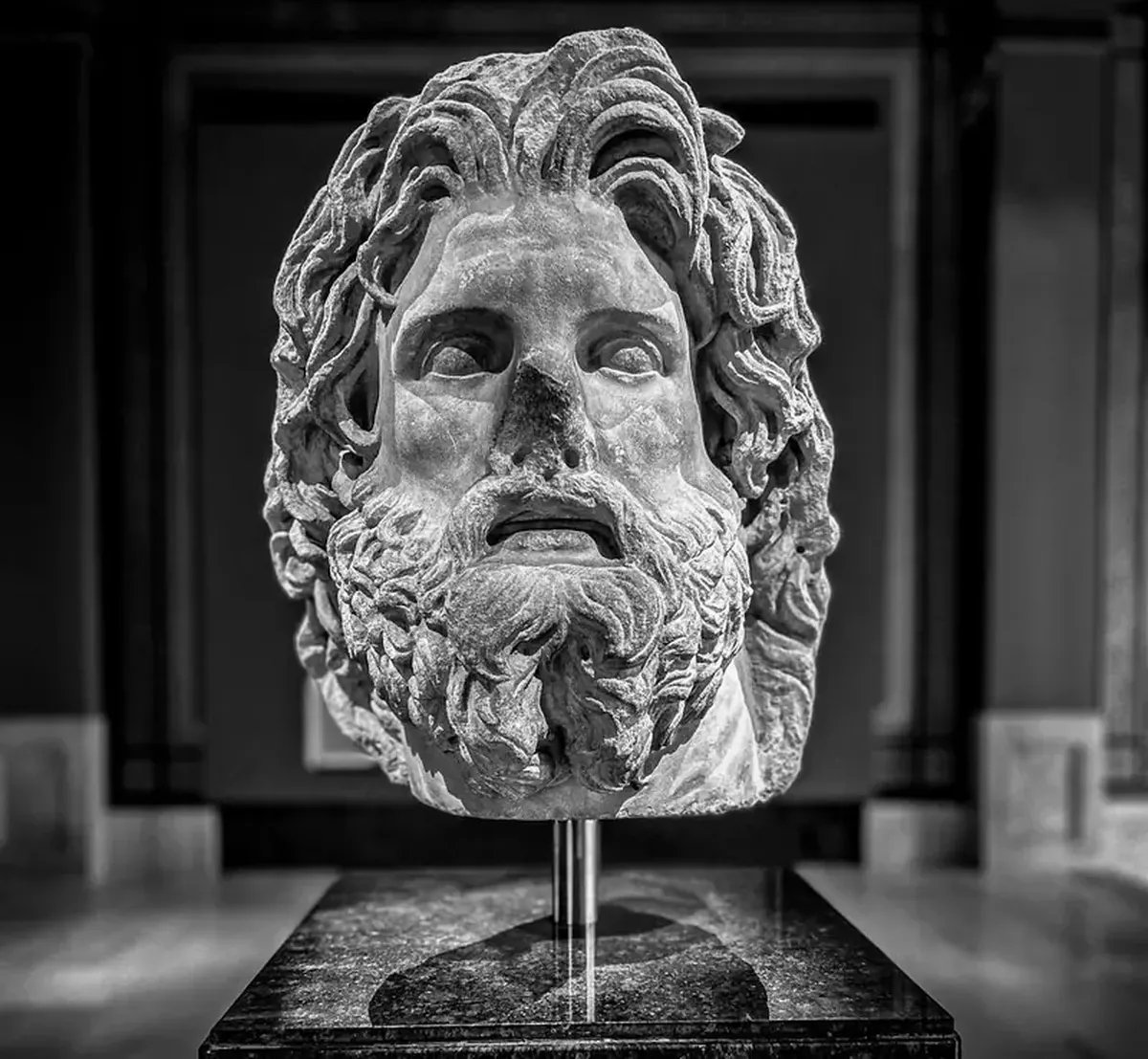
If you’ve ever wondered why so many ancient statues are missing their noses, you might have assumed time is to blame. In many cases, that’s true. “The statues we see today in museums are almost always battered and worn by time and the elements,” says Spencer McDaniel, a graduate student in the Department of Classical Studies at Brandeis University.
“Protruding parts of sculptures, like noses, hands, and ears, are almost always the first to break off. Other parts that are more securely attached, such as legs and torsos, are more likely to remain intact,” McDaniel says.
This is hard to dispute. Noses are relatively delicate and sit far from the statue’s center of gravity, making them easy to snap off when a sculpture falls. But there are other explanations too.
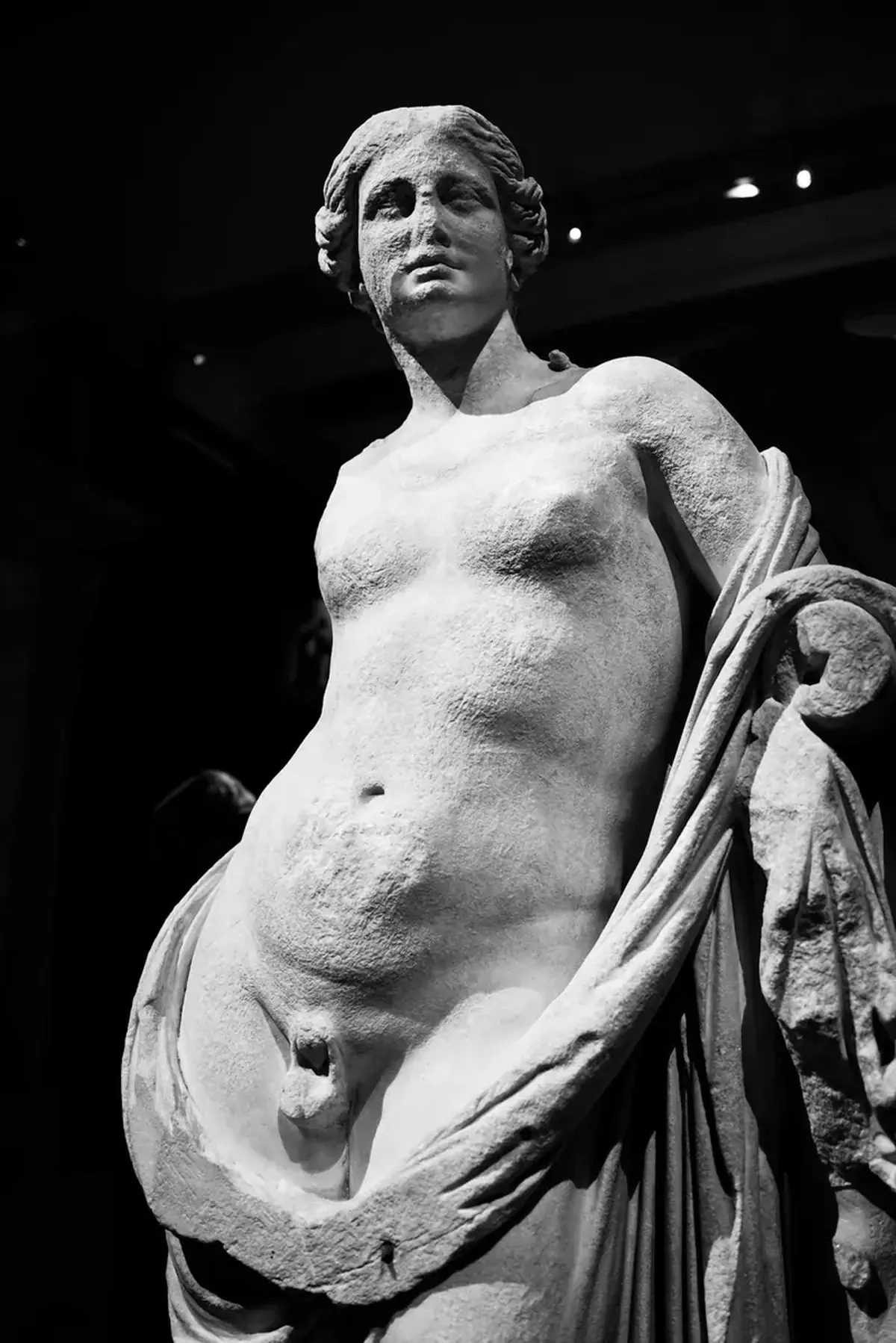
So, where did the noses go?
“Most noses became intentional targets,” says Mark Bradley, a professor of classical literature at the University of Nottingham. For example, the nose on the black basalt head of Tiberius’s nephew, Germanicus, was clearly chopped off. The statue is in the British Museum. That damage likely happened when early Christians carved a cross into the forehead of the pagan idol.
A similar fate probably fell to a statue of Aphrodite in the National Archaeological Museum of Athens. The goddess is missing her nose, and a large cross is carved into her forehead, ILFScience reported. This suggests the removal of noses was part of a ritualistic overthrow of a foreign deity.
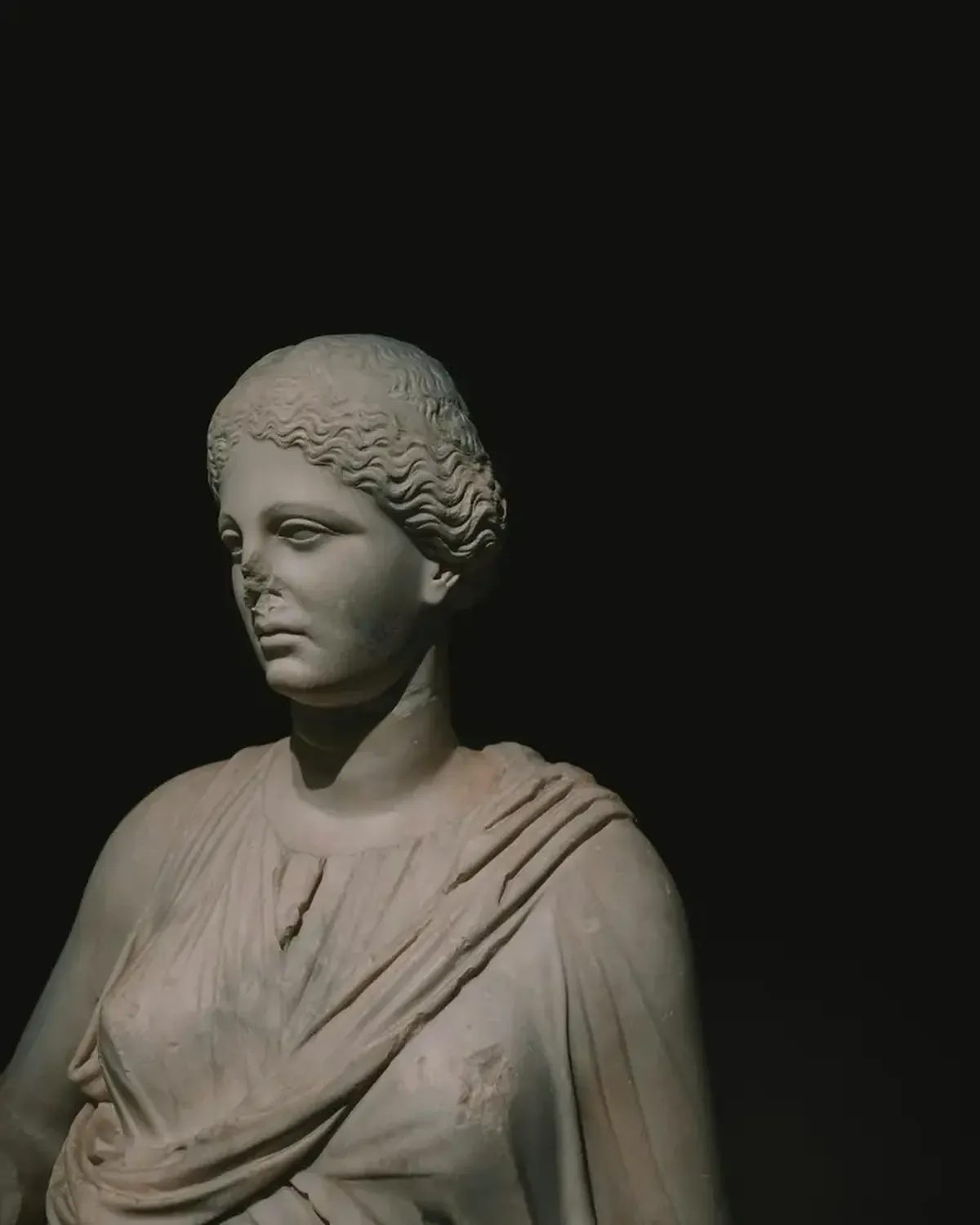
But why noses specifically?
In early civilizations such as ancient Egypt, people believed a statue could contain the soul of the being it depicted. Destroying a statue therefore symbolically stripped that being of power. Severing a nose was equated with destroying the spirit of a god or person because it deprived them of breath.
Still, some of the noseless statues date to long after ancient Egypt. So what explains their mutilation?
A fashionable punishment in the ancient world
The key to understanding this, Bradley says, lies in ancient Roman and Greek systems of justice and the kinds of punishments those societies imposed.
“This senseless destruction of ancient idols reflects long traditions of mutilating people, seen across the ancient world: Homeric Greece, the Persian Empire, classical and Hellenistic Greece, and the Roman Empire up through the Byzantine period,” Bradley says.
In the ancient world and later during the Byzantine Empire, cutting off a nose was a fairly common punishment. “In Egypt there was even a settlement called Rhinocolura (‘city of purchased noses’), where exiled criminals who had their noses cut off were sent,” Bradley says.
So, cutting a nose off a statue could serve as a symbolic punishment aimed at the person or deity the statue represented.
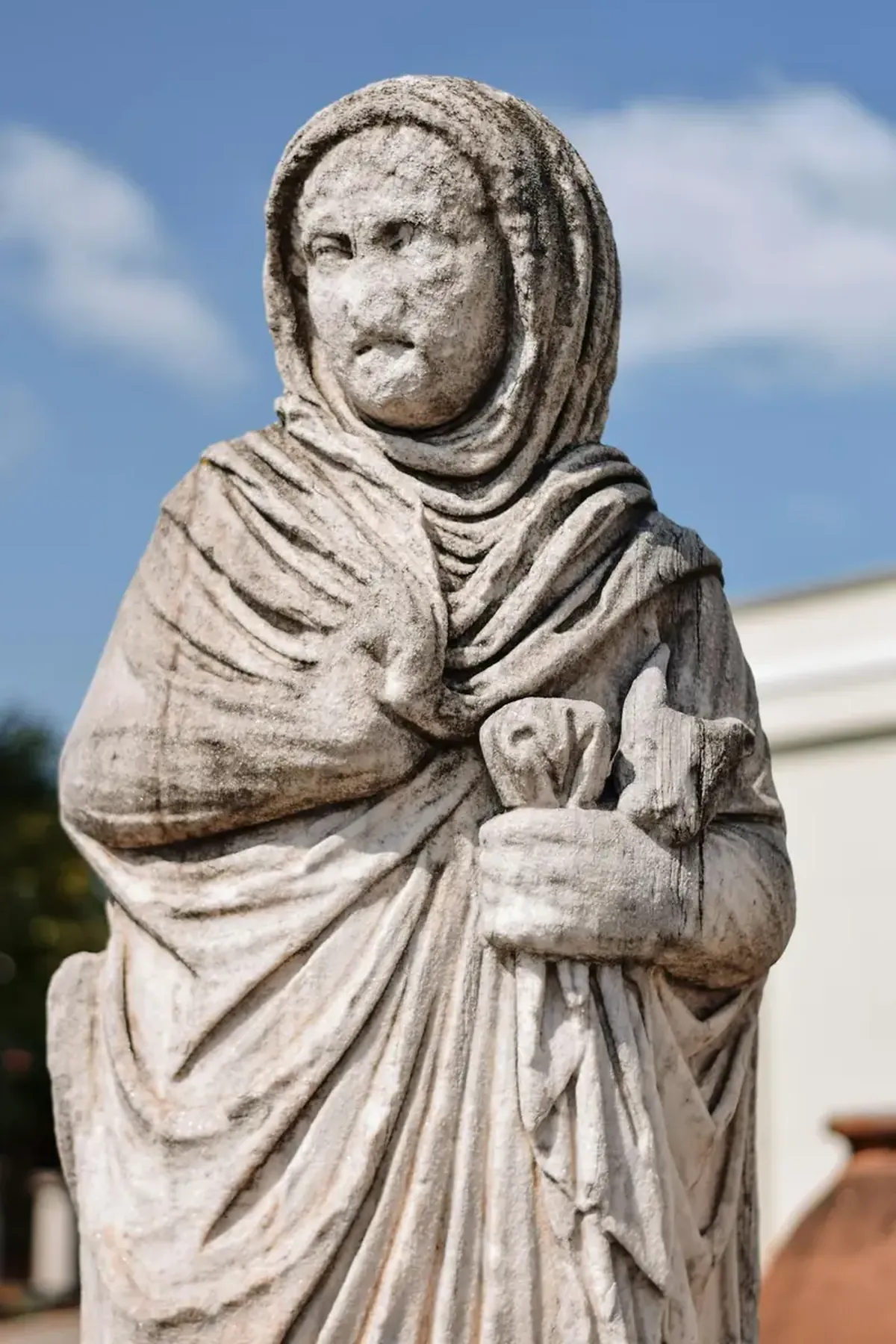
What about severed heads?
The same logic applies to headless statues, which are probably more common around the world than intact ones. Some statues lost their heads by accident, for example in a fall. But many decapitations were deliberate, intended to undermine the authority of the figure the statue depicted.
Rachel Kousser, a professor of ancient art at the City University of New York, says, “The head is powerful. Decapitation was seen as a particularly effective way to harm the authority of a ruler or deity.”
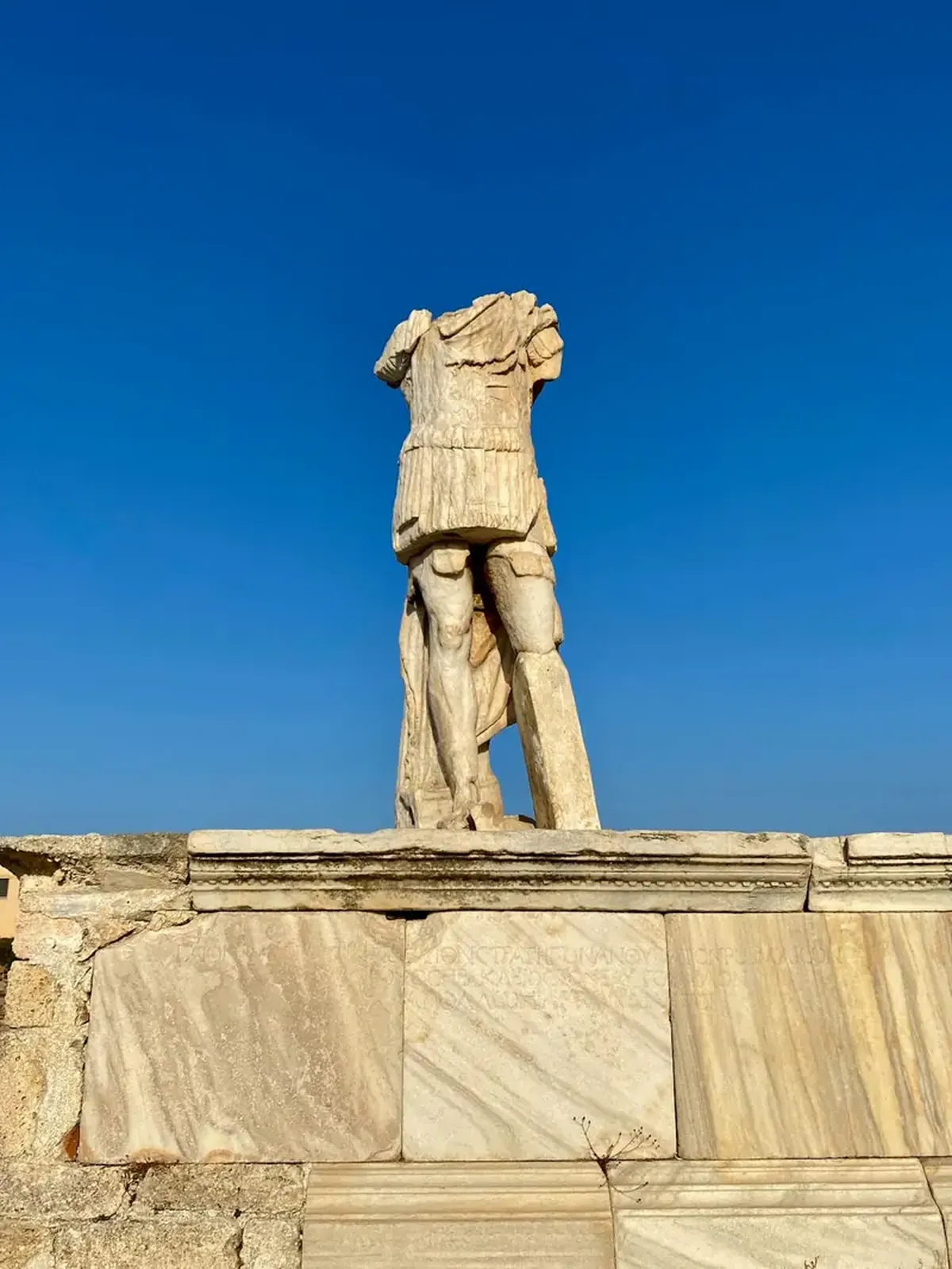
Jean-François Manicom, an expert on the history of slavery at the Liverpool Museum, points to many recent examples where people have targeted statues to settle scores with past political figures. In Bristol, for example, a statue of 17th-century slave trader Edward Colston was thrown into the harbor. In the U.S., several statues of Christopher Columbus have been decapitated.
Manicom says, “Symbolic lynchings seem still necessary for the transition from one era to another.”
