
 Gaby
Gaby
Experts are urging regular drinkers to take at least one “dry” month and see the changes that can happen in their bodies.
Completely abstaining from alcohol for a month may seem daunting if you usually drink. But better sleep, clearer skin, and a slimmer waistline can be strong motivation to try it.
According to Karen Tyrell, CEO of the British charity Drinkaware, the health benefits of a month off alcohol are clear.
Ms. Tyrell, a sober-living expert, says the change can boost morning moods and reduce the risk of several cancers and liver diseases. She also outlined the other transformations the body can expect week by week.
Week One
Right away, you may notice the morning nausea, fatigue, and irritability that come with hangovers start to disappear, the Daily Mail reports.
You’ll also notice better sleep and a more refreshing wake-up, Ms. Tyrell noted. Alcohol disrupts REM (rapid eye movement) sleep, the phase your brain needs to feel rested. That disruption is why people often feel zombied the next day.
Alcohol is a depressant and can increase anxiety, while sobriety—even for a short time—can improve mental well-being. That can help you manage stress and anxiety more effectively.

Week Two
At this stage, your abstinence from alcohol will start to show in your skin. If your skin has been puffy, dull, and dry, it will gradually begin to look healthier.
Alcohol increases urination, which can leave skin short on hydration and nutrients. Alcohol can also trigger flare-ups of psoriasis, which causes skin peeling, and rosacea, which causes facial redness. Once you stop drinking, your skin will brighten as it retains more moisture.
Karen Tyrell warned that regular heavy drinking can lead to jaundice — yellowing of the skin and the whites of the eyes — a sign of serious liver disease.

Week Three
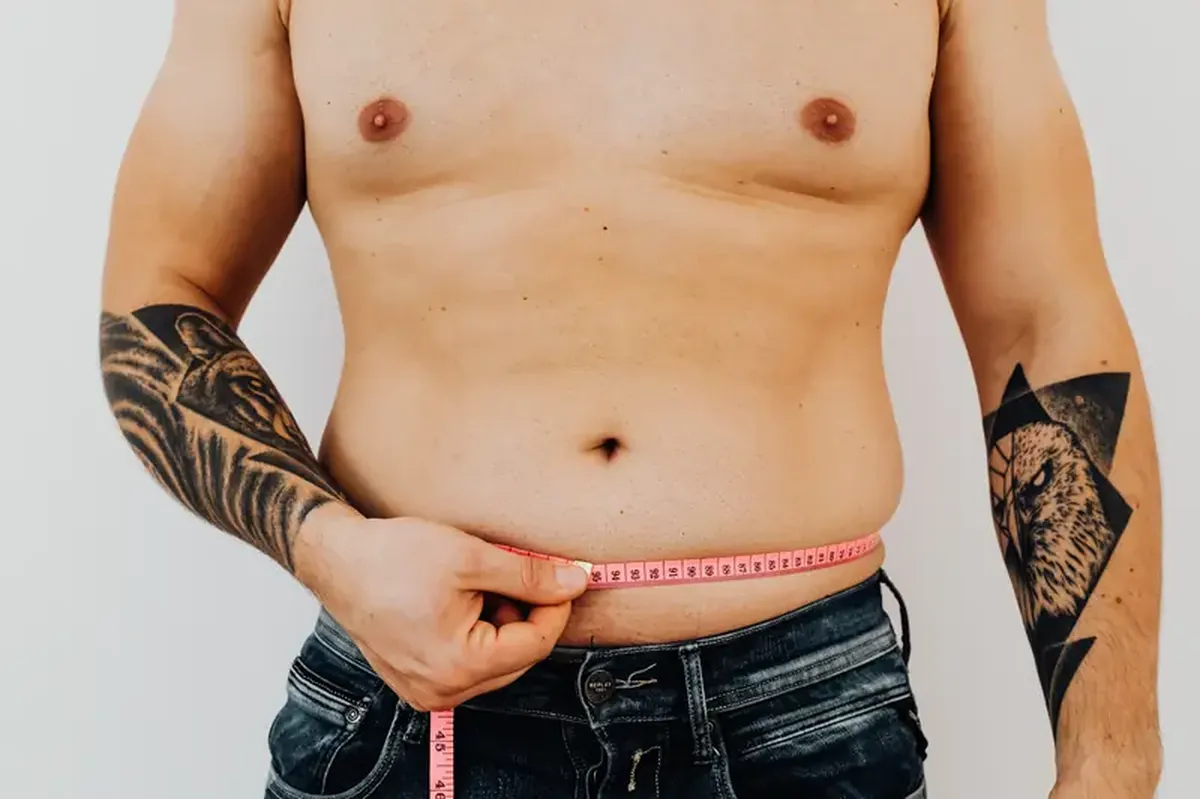
By the third week, you may feel noticeably lighter. That’s often because you’ve shed a few extra pounds.
A gram of alcohol contains about seven calories — almost as many calories as a gram of fat.
The National Health Service (NHS) in the UK notes a pint of beer can have more than 200 calories, while a 175 ml glass of wine has more than 150 calories. That’s roughly the same as a glazed donut.
Wine and beer also contain extra calories from sugar and starch. Those are considered empty calories — they add energy without nutritional value and can lead to weight gain.
So, taking a month off drinking can help with weight loss, Tyrell said.
Week Four
By week four, it’s worth thinking about long-term protection for your body.
Alcohol is linked to seven types of cancer, including bowel, breast, liver, and oral cancers. The liver is the organ most harmed by alcohol.
If you stop heavy drinking for at least a month, your liver will begin to repair itself and regenerate cells.
“Although the liver is resilient and can recover from damage, the risk of developing liver cancer or cirrhosis exists even at early stages of heavy drinking and increases the longer a person drinks,” Ms. Tyrell explained. Giving up alcohol gives the liver a chance to rejuvenate.

The NHS sets a recommended weekly limit of 14 standard units of alcohol. That amount is found in 6 pints of beer (a pint is 0.568 liters), 7 glasses of wine at 175 ml each, 10 glasses of champagne at 125 ml each, or 7 double measures of spirits at 90 ml each. Exceeding this limit is linked to a higher risk of alcohol-related death.
