
 Gaby
Gaby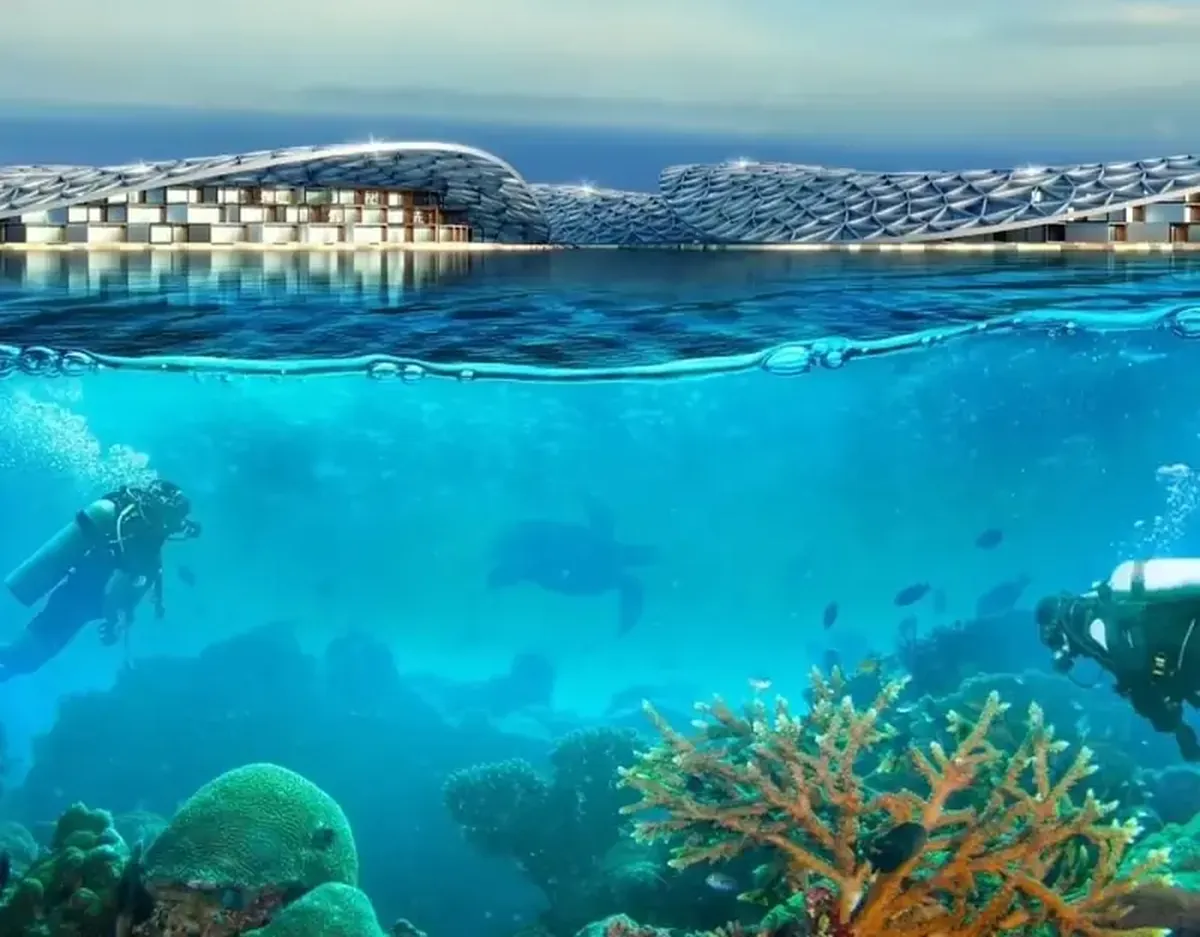
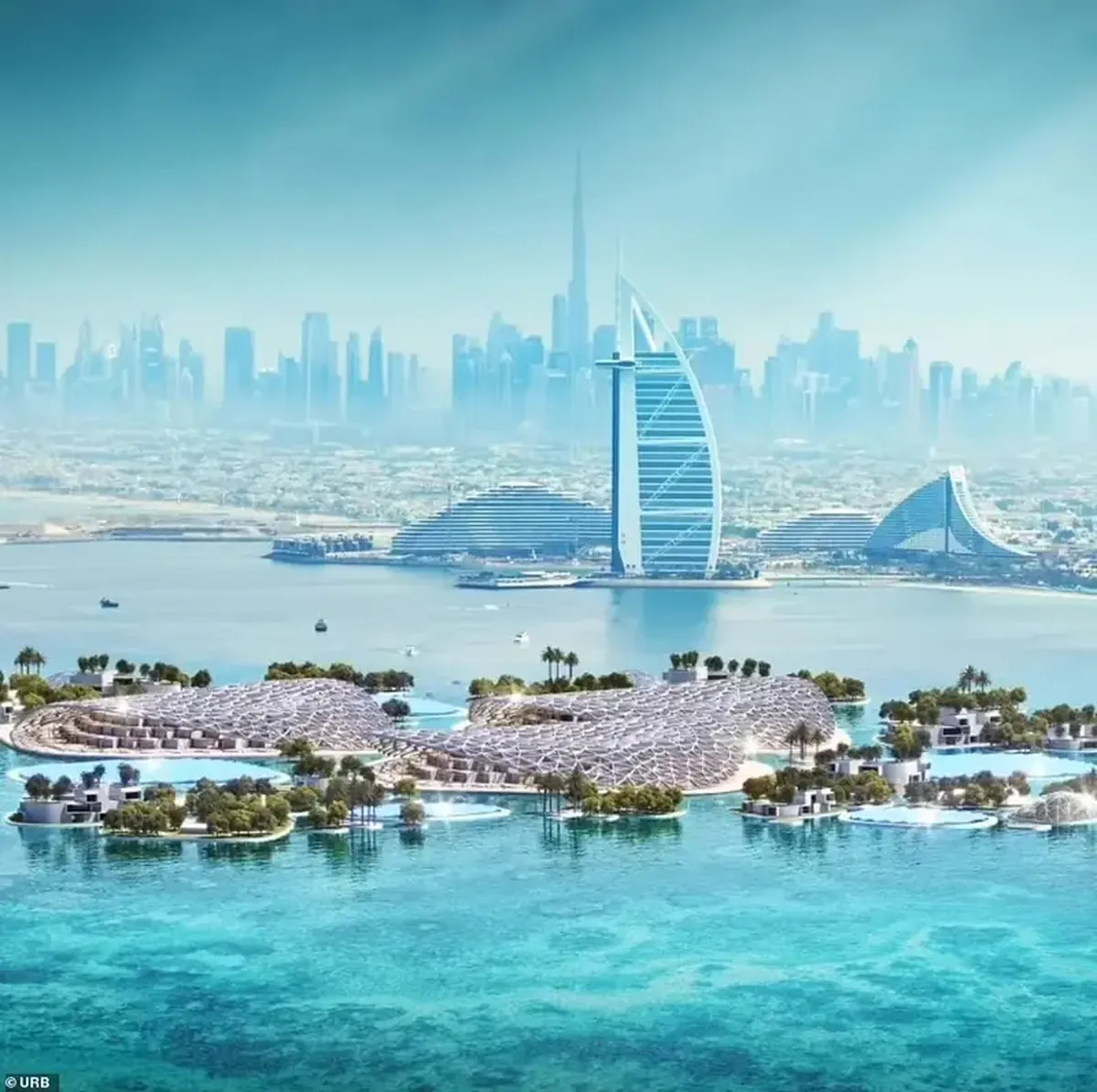
The grand “living laboratory” known as Dubai Reefs will stretch across approximately 200 square kilometers in the Persian Gulf, just off Dubai’s coast.
Dubai Reefs will be home to over a billion corals, 100 million mangrove trees, and a myriad of fish, turtles, and other marine inhabitants. Additionally, it will serve multiple purposes. Numerous floating islands, interconnected, will host wildlife reserves, scientific and educational facilities, tourist attractions, and eco-friendly residential homes.
Many of these structures will be created using 3D printing technology. The project’s creators believe this approach is ideal for their needs — not just for buildings, but also for replicating various shapes and textures that closely resemble coral reefs and natural underwater landscapes.
How Dubai Reefs Could Fight the Climate Crisis
From above, the floating islands will look like gigantic silver lily pads — and both above and below them new life will flourish.
The massive reef will focus on reviving the ocean’s ecosystem. Numerous research facilities will operate there, including an institute where scientists will develop new ocean-protection technologies.
According to URB, a company renowned for building eco-friendly cities, Dubai Reefs will be powered entirely by renewable energy.
Baharash Bagherian, URB’s CEO, says Dubai — as an innovative coastal city — is well suited for ocean-focused projects. He believes the reef will help address the climate crisis: Dubai is one of the megacities threatened by rising sea levels, and the city will ultimately have to adapt to coastal flooding.
The project will offer residents and visitors a form of flood protection: the structures are designed to rise with sea levels.
This enormous living laboratory will also provide Dubai with natural protection against coastal erosion and storms. Dubai Reefs will shield the coastline from powerful waves, as reported by the Daily Mail.
Mangrove trees, tidal marshes, and seaweed meadows will absorb and store more carbon per unit area than any land-based forests.
Tourism
URB says the reef’s attractions will offer visitors “immense emotional and therapeutic benefits.”
Travelers and locals will enjoy seafood cultivated in an eco-friendly environment.
Tourists will participate in various wellness activities, such as swimming among corals in underwater capsules, going fishing, or simply strolling through the lush greenery depicted in the project’s visualizations.
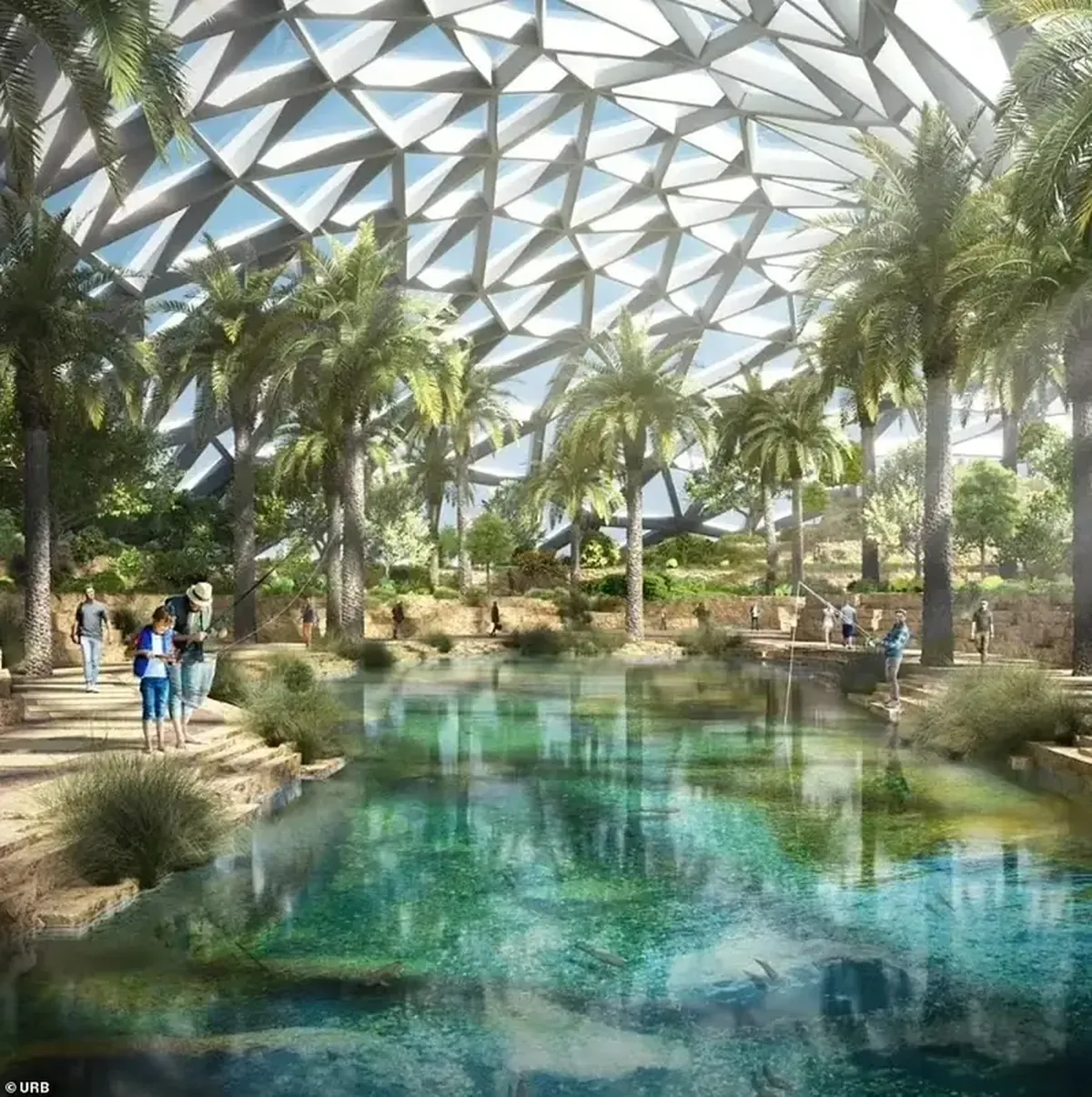
The designers of Dubai Reefs plan to establish the largest oyster farm in the region here. This farm is crucial for environmental preservation, improving water quality, and boosting the local economy.
The project’s creators have yet to announce a definitive timeline for construction, but it is likely to be completed by 2040. The exact cost remains unknown, but experts estimate it will be in the hundreds of millions of dollars.
For comparison, the construction of a similar “floating city” in Korea, set to be completed by 2025, is estimated to cost around $200 million.
