
 Carlos Solis
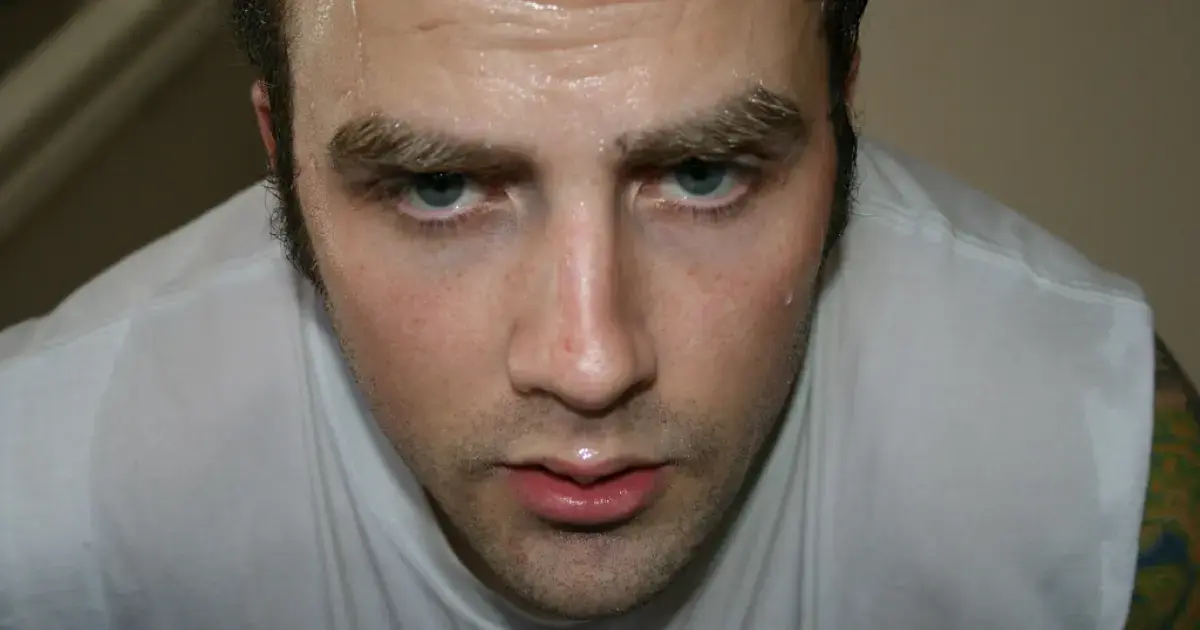 Excessive sweating (medical term: hyperhidrosis) can be more than a hygiene problem; it can signal an unhealthy lifestyle or an underlying health issue. About 17% of people experience this condition, more often among sedentary city dwellers than among physically active rural residents. To address uncomfortable or excessive sweating, it’s important to identify the cause. What bodily problems might it point to?
What is Sweat?
Sweating is a natural bodily function, common during exercise or hot weather. Sweat is a clear fluid secreted through the ducts of eccrine sweat glands; it is roughly 99% water and 1% salt. While sweat carries small amounts of proteins, fats, and organic compounds (like lactic acid, creatinine, and urea), detoxification is primarily the job of the kidneys and liver, not sweat.
Excessive sweating can be generalized (all over the body) or localized (in specific areas). Localized excessive sweating often points to a medical problem. Unlike normal sweating from heat, exertion, or stress, excessive sweating can be caused by primary hyperhidrosis — a nervous system disorder — or by secondary hyperhidrosis, which is triggered by other diseases.

Possible Causes of Sweating
Non-medical factors that can increase sweating include:
- uncomfortable sleeping conditions (poor bedroom ventilation, high temperatures, heavy blankets, or synthetic bedding);
- strenuous physical activity before bedtime;
- consuming alcohol, caffeine, or spicy foods in the evening.
Generalized or localized excessive sweating can also be linked to these circumstances and conditions:
- medication use (for example, some antidepressants);
- age-related physiological changes;
- hormonal imbalances;
- thyroid disorders;
- cardiovascular diseases;
- neurological disorders;
- diabetes;
- infections;
- pneumonia;
- tuberculosis;
- cancer (for example, lymphoma).
Intense night sweats can result from fever or from a heart attack. Nighttime sweating isn’t always a sign of illness: women may experience it during pregnancy or menopause. Still, excessive night sweats in women can sometimes be a warning sign of heart problems. A sweat-soaked bed can be a sign of a heart attack, especially if it occurs with other symptoms:
- extreme fatigue;
- shortness of breath or irregular breathing;
- dizziness;
- intense anxiety or panic;
- nausea or stomach upset.
Medical tests are needed to determine the exact cause of sweating.
Endocrine System Issues
Menopause commonly brings hot flashes and night sweats that interfere with daily life and work. Those symptoms result from disruptions in thermoregulation after estrogen levels fall. To reduce sweating, doctors recommend sleeping in a cool room, wearing natural fabrics, avoiding triggers like stress and hot foods, and in severe cases, considering hormone therapy.
If hormonal imbalance is suspected, see an endocrinologist for diagnosis and treatment. Endocrine diseases, hormonal disorders, and rickets can cause sweating in children. In such cases, the sweating will resemble sweat caused by a cold, physical exertion, emotions, or heat. If a child has excessive sweating along with fever and poor sleep, consult a pediatrician for evaluation and care.

Cardiovascular Diseases
Increased overall sweating can point to vascular problems. Night sweating may indicate underlying heart issues. Ignoring this symptom is especially dangerous if the sweat feels cold and sticky; seek a cardiologist promptly in that case. During a heart attack, sweating increases as the heart works harder to pump blood through clogged arteries. Sweating linked to atherosclerosis can signal an elevated risk of heart attack.
Excessive sweating caused by narrowed arteries and plaque buildup often suggests heart disease. If you exercise or do physical labor (especially in the morning or in hot weather) and notice much heavier sweating than usual, take it seriously — it can mean the heart is under excessive strain while trying to maintain body temperature.
Diabetes
Diabetes — which the World Health Organization estimates causes about 1.5 million deaths each year — occurs when the pancreas does not produce enough insulin or when the body can’t use insulin effectively. In people with diabetes, excessive sweating often appears in the armpits, palms, or feet. Similar sweating patterns can also occur with cardiovascular or thyroid diseases. Other contributors include improper footwear and clothing, infections, hormonal changes, stress, and genetics. If sweating interferes with daily life, start by seeing a dermatologist to identify the cause and discuss medical or other treatment options.

Illnesses or Physiological Changes?
If your palms sweat profusely along with fever, difficulty breathing, rapid fatigue, weakness, and a persistent cough, those symptoms could point to pneumonia or tuberculosis. Both of those illnesses commonly cause night sweats. Visit a doctor, especially if the problem began suddenly — the sooner the cause is diagnosed, the better the chances for a full recovery.
Not all causes of excessive sweating are illnesses. Sweating often spikes during physiological changes: adolescence, late pregnancy, and older age can all increase sweat. In some people, heavy sweating has no identifiable cause and is simply a lifelong trait that begins in adolescence — in those cases, paying extra attention to personal hygiene helps manage the problem.
How to Combat Sweating?
For excessive sweating, doctors advise limiting fluid intake in hot weather while still replacing lost fluids. Drink enough still water or beverages with lemon and honey, and consider herbal infusions such as mint, lemon balm, blueberry leaves, nettle, or sage — or traditional decoctions like pea or bean pod broth. Shower twice a day, remove underarm hair, use antiperspirants, wear natural fabrics, manage stress, and maintain a healthy diet.
Medical treatments are also available. Doctors may recommend Botox injections in problem areas to reduce sweat gland activity (the effect is temporary, usually about six months, and can be costly). Another option is iontophoresis (electrophoresis), though its effects typically last only about two months. A more radical approach is surgical removal or disabling of sweat glands.
Photo: Openverse
